5 Essential Tips for Hiring Remote Developers in 2026
Hiring remote full stack developers is crucial for businesses in 2026. The demand for these versatile professionals is growing. They handle both front-end and back-end tasks, making them invaluable.
Remote work opens access to a global talent pool. This increases the chances of finding the perfect fit. However, hiring the right candidate requires a strategic approach.
Defining the skills and experience needed is the first step. Using specialized platforms helps in sourcing qualified candidates. Evaluating both technical and soft skills is essential.
Communication and cultural fit are key for remote work success. Offering competitive packages attracts top talent. This guide will provide essential tips for hiring remote developers effectively.
The Rise of Full Stack Developer Remote Jobs in 2026
In 2026, remote full stack developer jobs are booming. Businesses are rapidly shifting to digital platforms. This trend fuels the demand for skilled developers.
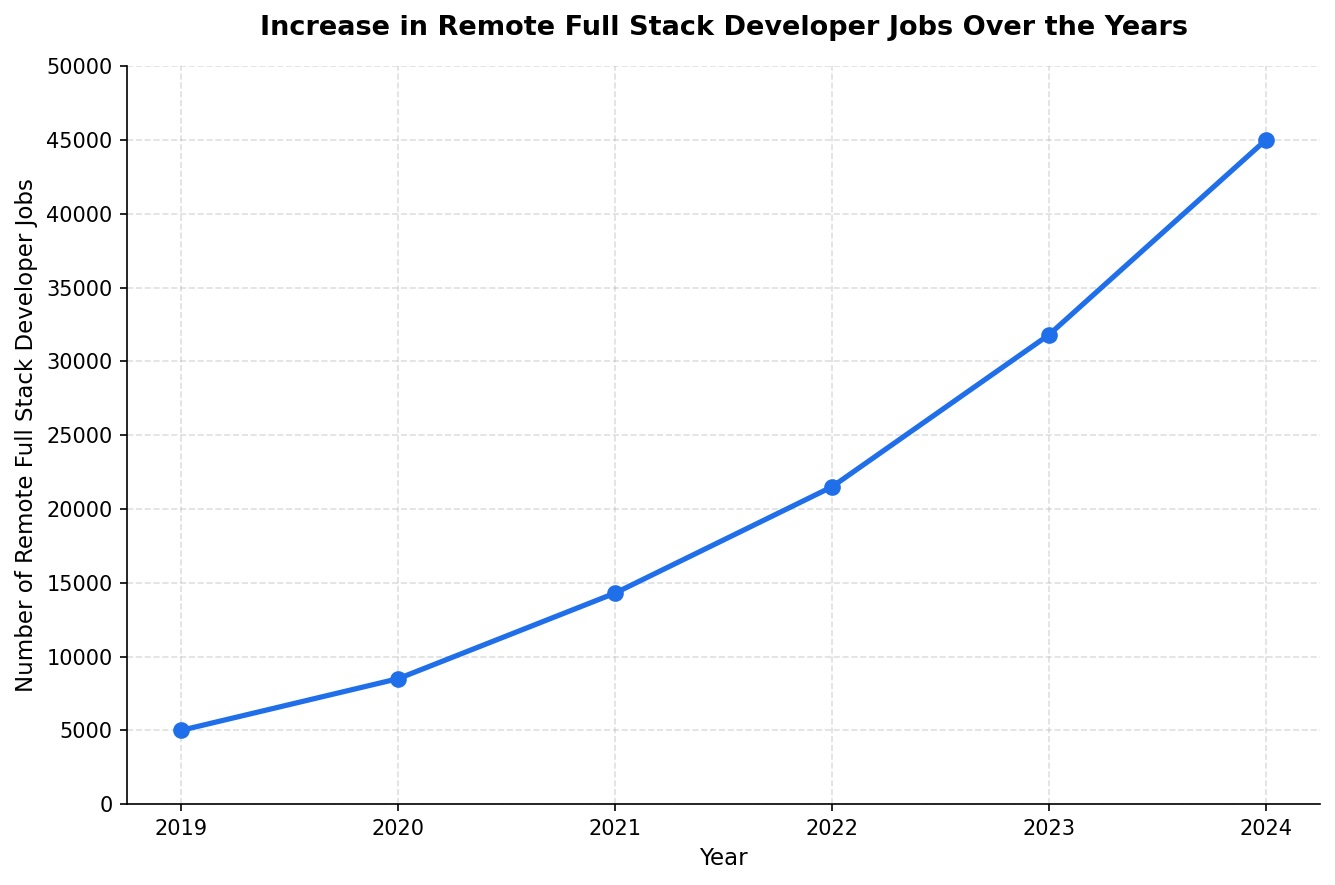
Full stack developers are highly prized for their versatility. They can manage the entire application architecture. This makes them ideal for the dynamic demands of remote projects.
Remote work offers a plethora of benefits for companies and developers alike. Employers have access to a diverse global pool of candidates. Developers enjoy the flexibility and work-life balance that remote work provides.
Key factors driving this rise include:
- Increased adoption of cloud technologies
- Growing need for agile development practices
- Expansion of digital services worldwide
As businesses adapt, remote positions are not just about convenience. They are a strategic move to tap into the best global talent available. Understanding this shift is crucial for successful hiring in this field.
Tip 1: Define Your Ideal Full Stack Developer Profile
Before you start the hiring process, clearly define what you need. Knowing your requirements helps target the right candidates. A precise developer profile ensures a better fit for your team.
Consider the technical skills necessary for your projects. Full stack developers need both front-end and back-end expertise. Skills in HTML, CSS, JavaScript, and databases often form the core requirements.
Don't overlook soft skills in your profile. Communication, problem-solving, and teamwork are vital for remote success. These skills help maintain productivity and harmony across virtual teams.
Make a comprehensive list of desired attributes. Include:
- Technical proficiency across multiple platforms
- Experience with remote collaboration tools
- Strong communication and problem-solving skills
- Proven track record of successful remote projects
Cultural fit is equally important. Consider how prospective candidates align with your company's values. A strong cultural match enhances long-term retention and job satisfaction. Defining these aspects helps streamline the recruitment process. It also boosts your chances of finding a developer who matches your specific needs and enhances your team's capabilities.
Tip 2: Source Candidates from the Right Platforms
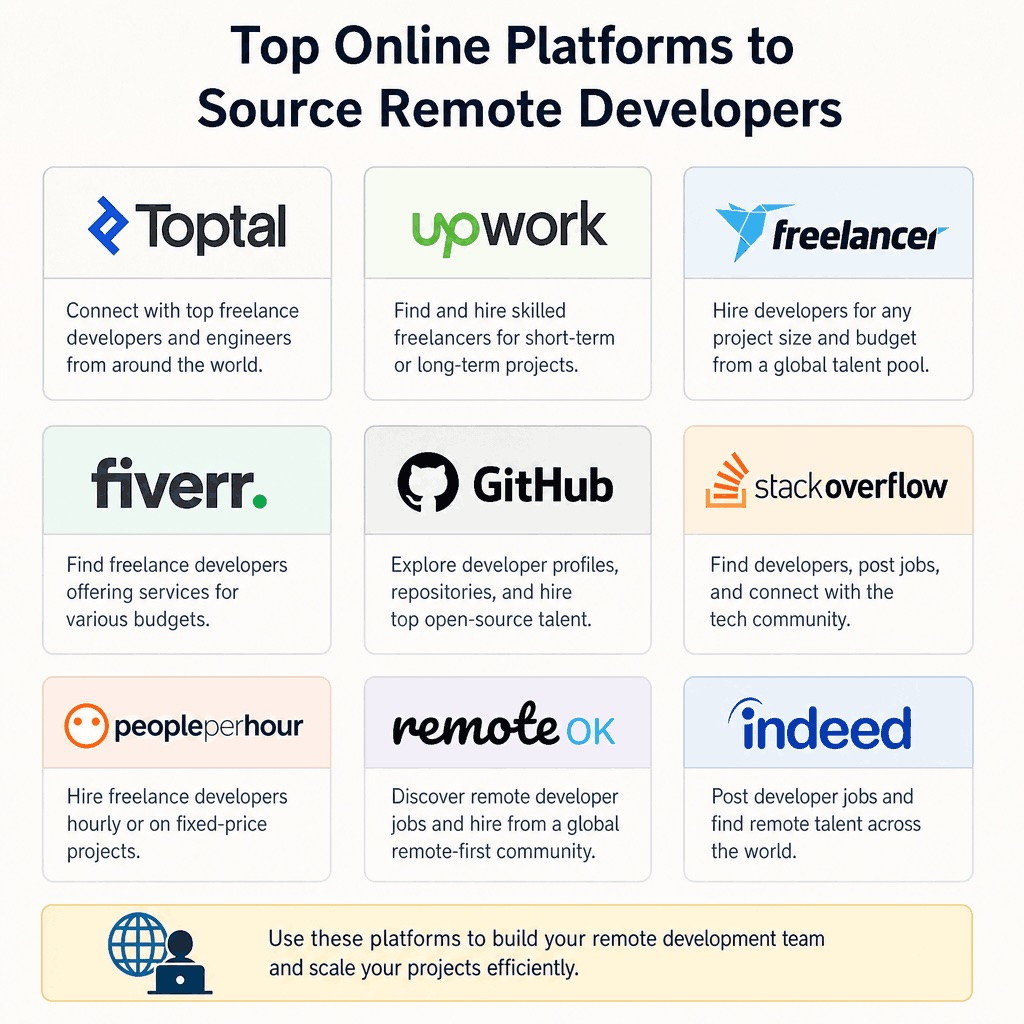
Finding the right talent starts with knowing where to look. Many online platforms specialize in remote tech jobs. Using these platforms effectively can lead to high-quality candidates.
Popular job boards for full stack developer remote jobs include specialized sites. Consider portals like Stack Overflow Jobs and Remote OK. These sites focus on tech roles and are frequented by skilled professionals.
Besides job boards, leverage social media and networking sites. LinkedIn can be an invaluable tool for connecting with potential candidates. Joining groups related to full stack development can yield promising leads.
Engagement in developer communities can also be beneficial. Websites like GitHub and GitLab allow you to see actual developer contributions. Active participation in these communities signals experience and engagement.
- Use specific job boards:
- Stack Overflow Jobs
- Remote OK
- Consider professional networks:
- LinkedIn groups
- Developer community sites (GitHub)
Expanding your search through diverse channels improves your chances. It also broadens your reach to a global pool of talented developers. Select platforms that align with your company's hiring goals. Utilize these resources strategically to maximize your recruitment outcomes.
Tip 3: Assess Technical and Soft Skills Effectively
In hiring full stack developers, assessing skills is crucial. Technical skills ensure they can handle both front-end and back-end tasks. A holistic evaluation involves checking their coding abilities and logical thinking.
Conducting coding tests is a proven method. These tests allow you to gauge practical skills in a controlled environment. Platforms like Codility or HackerRank offer ready-to-use assessments tailored for full stack developers.
A technical interview should follow the coding test. Use this opportunity to dive deeper into problem-solving approaches. Discussing past projects can reveal insights into candidates' experiences and creative solutions.
- Platforms for coding assessments:
- Codility
- HackerRank
Soft skills should not be neglected. They ensure effective communication and problem resolution. Look for qualities like adaptability and time management, essential for remote work success.
Evaluate communication through video interviews. This process helps you understand how candidates express ideas and coordinate with teammates. Good communication is a cornerstone of remote work.
- Key soft skills to assess:
- Communication
- Adaptability
- Time management
Ultimately, a mix of technical expertise and soft skills defines a capable developer. By combining various assessment methods, you gain a comprehensive view of candidates. This ensures they will thrive in your team while contributing to successful projects.
Tip 4: Prioritize Communication, Culture Fit, and Remote Readiness
Communication is vital for remote teams. Remote full stack developers must articulate ideas clearly. Video interviews are a great way to assess verbal communication skills.
A strong culture fit enhances team cohesion. Look for candidates who share your company values. This alignment boosts morale and enhances productivity.
Evaluate remote readiness by examining past remote work experience. Successful remote developers adapt easily and thrive in distributed teams. Check references to confirm these traits.
Consider cultural and time zone differences. Collaboration can be challenging if these factors aren't addressed. Finding overlap in working hours improves synergy and project outcomes.
- Factors to assess for remote readiness:
- Past remote work experience
- Adaptability to diverse cultures and time zones
- Shared values and work ethics
In conclusion, focusing on these three areas ensures you hire candidates who thrive remotely. They will fit seamlessly into your team and contribute efficiently. Prioritizing these aspects ultimately strengthens your remote workforce.
Tip 5: Offer Competitive Packages and Support Remote Success
To attract top-tier talent, offer competitive salaries and benefits. Remote full stack developers have many opportunities today, making compensation crucial.
Consider offering flexible perks that cater to remote workers. Health benefits, equipment stipends, and home office setups are attractive. These incentives show you value their comfort and productivity.
Also, support ongoing professional development. Offer access to online courses or tech conferences. Continuous learning opportunities keep your team skilled and motivated.
It's vital to provide robust technical support for remote workers. Ensuring they have the right tools enhances efficiency. Seamless access to necessary software prevents downtime and frustration.
- Attractive remote work packages might include:
- Competitive salaries
- Health and wellness benefits
- Professional development opportunities
- Equipment stipends and home office support
An appealing package and strong support foundation encourage long-term commitment from your hires. By investing in their success, you cultivate loyal and efficient team members. This approach ultimately leads to a thriving remote development team.
Best Practices for Onboarding and Retaining Remote Full Stack Developers
A seamless onboarding process is vital for integrating remote developers successfully. Begin with a comprehensive introduction to your company culture, values, and goals. This fosters a sense of belonging and direction from the start.
Provide clear documentation and training materials tailored for remote setups. Cover the tools and platforms they will use daily. Clarity in these areas enables smoother transitions into workflows and maximizes productivity.
Regular check-ins and mentorship programs enhance engagement. Assign a mentor or buddy to new hires. This encourages knowledge sharing and offers support, preventing feelings of isolation in remote settings.
Retention strategies should focus on continuous feedback. Conduct regular performance reviews and provide constructive feedback. Empower developers to voice their ideas and concerns to maintain morale and motivation.
- Essential onboarding and retention practices:
- Comprehensive culture and process orientation
- Clear training for remote tools
- Mentorship and regular check-ins
- Constructive feedback and open communication
Common Mistakes to Avoid When Hiring Full Stack Developer Remote Talent
Falling into common pitfalls can hinder your hiring success. One mistake is neglecting to assess candidates' remote work experience. Remote jobs demand independent, self-starting qualities, which differ from in-office roles.
Another error is overlooking cultural fit. Ensure candidates align with your team's values and communication styles. This helps maintain cohesiveness in your remote workforce.
Moreover, be wary of offering non-competitive packages. Remote developers have diverse opportunities globally. Competitive salaries and benefits are essential to secure top talent.
- Avoid these hiring mistakes:
- Ignoring remote work experience
- Overlooking cultural fit
- Offering uncompetitive compensation packages
Frequently Asked Questions About Hiring Full Stack Remote Developers
When hiring full stack developers remotely, many questions arise. How do you verify their technical skills? Evaluate skills through standardized coding tests and technical interviews to ensure they meet your standards.
Another common inquiry is about managing remote teams effectively. Use tools like Slack and Zoom for smooth communication across distances, which fosters team cohesion.
Also, businesses often ask about legal considerations. Be mindful of tax implications and labor laws that apply to remote employees in different regions.
- FAQs about remote full stack developer hiring:
- How to verify skills?
- How to manage remote teams?
- What are the legal considerations?
Conclusion: Building a Future-Ready Remote Development Team
Creating a future-ready remote development team requires thought and care. It's more than just having technical skills. Successful teams blend communication, culture fit, and innovation effortlessly.
Invest time in defining roles and sourcing from the best platforms. By prioritizing culture and competitive packages, you'll attract top full stack talent. As 2026 approaches, these strategies will help you create a resilient and agile team, setting your company up for success in a digital-first world.